
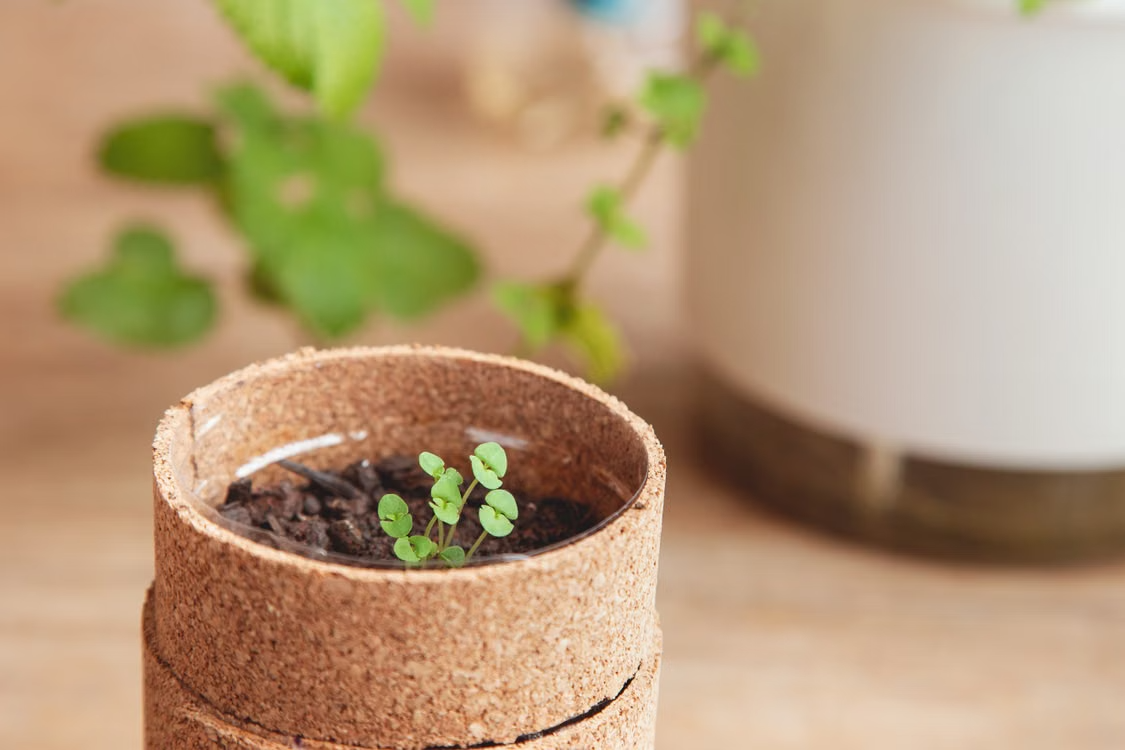
When you’re creating a home garden, you need to use materials that are durable, safe and healthy for your plants to grow alongside. It’s also important to choose materials that are sustainable, so you can have a growth environment that actively reduces your carbon footprint. Eco-friendly cork is one of the most available materials in the world, so it’s easy to get in your garden. It’s also known to improve soil health, retain water and provide a great alternative to mulch.
In this guide, we will explore the benefits of incorporating cork in your home garden, so you have a space that is optimal for growing a large variety of plants. Continue reading to find out more.
Benefits of Cork in the Garden
Moisture Retention
Spreading chopped natural cork or cork bark over garden beds creates a protective layer that blocks sun and wind from drying out the soil. When you use cork topper, you’re limited the amount of water that escapes into the air so the plants can soak more of it up and promote healthier growth. Cork also contains a waxy substance called suberin, which means that the material doesn’t hold any water but rather protects the water that’s already present in the soil.
Soil Aeration
Crushed natural cork increases soil aeration, as it’s mostly made up of air by volume and creates permanent air pockets in heavy or compacted soil. This helps oxygen reach plant roots, which is essential for their growth. Cork also has the ability to hold its structure under the weight of wet soil much longer than soft organic matter, making it great to use no matter the climate. Place whole or halved corks at the bottom of plant containers to elevate the soil and maintain airflow around the drainage holes.
Sustainable
Repurposing everyday items like wine corks can keep organic material away from local landfills and reduce homeowners carbon footprints, as they avoid using non-eco alternatives like perlite and plastic ground covers. Sourcing genuine natural cork supports Mediterranean cork oak forests, which are harvested by hand every 9 to 12 years without cutting down trees. This helps to preserve regional biodiversity and carbon sinks, all while having a highly-effective garden.
Pest and Weed Control
Natural cork helps control pests and weeds in a home garden primarily when used as a textured surface barrier or chopped into a protective mulch. Slugs and snails in your garden can be a nightmare. The rough and dry texture of natural cork is uncomfortable for these types of pests to crawl across, so they are less likely to disrupt your plants. Scattering cork near your stems can keep them protected and in good condition, as it acts as an effective deterrent.
Lightweight
Carrying heavy bags of mulch around your home garden can strain your back, whereas lightweight cork is simple to carry and scatter in garden beds. Heavy materials sink or pack down tightly, which can ruin your plants growth. When you choose light cork, it stays loose and airy on the surface so your plants have enough space to grow optimally. Mixing cork into potted plants keeps the pots light is a great idea. You can move your plants easily when using lightweight cork too, so you can position it wherever the sun is optimal.
How to Use Cork
Mulch
Using wine corks as mulch is a simple, eco-friendly way to protect your plants. You can scatter whole or crushed corks around the base of your flower beds or potted plants, you create a natural ground cover that helps retain soil moisture, suppress weeds and regulate temperature as they slowly decompose.
Soil Amendment
Adding small cork pieces to your potting mix is an effective soil amendment for both indoor and outdoor containers, allowing your plants to grow no matter the conditions. Cork allows you to create small air pockets throughout the soil, as it enhances overall aeration and prevents compaction. It allows excess water to drain freely so your plant roots stay healthy.
Composting
You can break your cork into smaller bits and toss them into your compost bin for an effective composting solution for your plants. It decomposes over time while adding valuable carbon material to your nutrient-rich organic mix. When using a Stihl Tiller, you need compost that is easy to mix into the soil for the highest impact. If you want to process raw garden waste into mulch or compost, you can also use a garden shredder.
Final Thoughts
When you’re thinking of ways to boost the impact of your home garden, cork is a great material to use that will allow your plants to fully grow while creating an eco-friendly environment. It’s the perfect material to use if you want your plants to soak up the most amount of water while keeping out dangerous pests.