
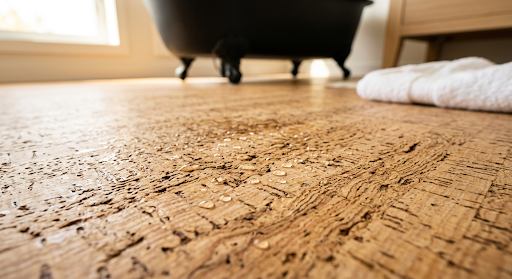
Mold and mildew are among the biggest concerns when choosing flooring, wall coverings, furniture accessories, and other interior materials—especially in humid climates. The good news is that cork is a naturally cork mold-resistant material that stands out as one of nature’s most resilient materials when it comes to moisture and microbial growth.
Is Cork Mold-Resistant? Everything You Need to Know
Without a doubt, cork is a naturally cork mold-resistant material. Due to its unique cellular structure and the naturally found compounds such as suberin and tannins, cork has an exceptional capability to resist absorbing water, therefore creating an environment unsuitable for the growth of mold and mildew. Of course, no material can claim not to suffer from mold in extreme conditions, but cork shows excellent performance in the humid environment when compared to many natural traditional materials.
As regards homeowners, interior designers, and commercial buyers who are looking for sustainable, safe, and durable materials, cork is a great combination of moisture resistance, comfort, and the sustainable use of materials. Knowing the interaction between cork and moisture would give insights into whether to use cork for your project
What Makes Cork Naturally Mold Resistant? (Suberin + Tannins)
The reason why cork is recognized as a cork mold-resistant material is due to the characteristics of its material.
Importance of Suberin (Natural Water-Resistant Material in Cork)
One of the main contributors towards cork’s property of mold resistance is suberin, which is a type of substance that is found in cork’s cell walls. It acts as a natural barrier, preventing moisture from entering the material to an excess of level, which in turn limits the chances of mold growth, as there is a high need of moisture content for the mold to grow.
The same compound is also responsible for much of cork’s natural water resistance, making cork suitable for a variety of indoor applications where humidity is present.
Learn more about cork’s natural water resistance: https://9cork.com/is-cork-water-resistant/
Tannins and Their Antifungal/Antimicrobial Effect
Cork also contains natural tannins. These plant compounds are known for their antimicrobial and antifungal characteristics.
While tannins do not make cork completely mildew proof, they help create an inhospitable environment for microorganisms. This additional layer of protection contributes to cork’s reputation as one of the best natural mold resistant materials available.
How This Differs from Chemically Treated Mold-Resistant Materials
Many conventional building materials rely on synthetic coatings or chemical additives to resist mold growth.
Cork has a lot of its resistance thanks to natural properties. It does not rely on any synthetic processes which may deteriorate with time as cork is inherently created in such a way. This is a great solution for those who look for a green material to resist mold in a productive manner.
To find out more about the sustainability story of cork https://9cork.com/sustainability/
Does Cork Absorb Moisture?
A common question is: does cork absorb moisture?
The response is affirmative – perhaps only in a lesser degree compared to some of the other natural substances out there.
To point out, cork is made up of several millions of very small air-filled closed cells. Such structure protects against water absorption and reduces moisture absorption.
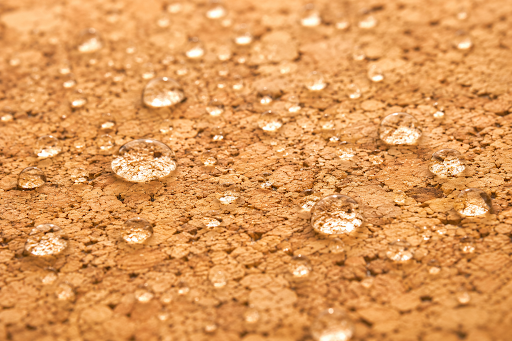
Despite all these advantages, cork can still handle moisture changes without having any adverse effects such as deformation or mold formation.
It is also important to understand the difference between moisture resistance and waterproofing. Excessive moisture can still have a negative influence on cork, especially when exposed to water for a long time and if it’s unsealed. Therefore, it is very important to pay attention to installation process and maintenance practices related to cork.
For better results in humid areas, it is recommended to install sealed cork products.
Is Cork Board Waterproof?
A lot of people wonder whether cork board is waterproof.
The answer to this question is: no. Most cork boards are water-resistant but not waterproof.
Water-resistant vs. Waterproof
Waterproof materials prevent water from soaking in completely.
Cork has properties that repel water due to the presence of suberin. However, cork is a natural product. Therefore, over time water can touch unprotected cork materials.
Sealed vs Unsealed Cork
Sealed cork products offer significantly greater protection against moisture.
Protective finishes help prevent water infiltration and make cleaning easier. Unsealed cork, while still naturally resistant, is more vulnerable in wet environments.
For bathrooms, kitchens, and commercial applications, professionally sealed cork products are generally recommended.
Cork vs Other Natural Materials — Mold Resistance Comparison
When comparing materials for humid environments, cork consistently performs well.
| Material | Mold Resistance | Moisture Absorption | Maintenance Needed |
| Cork | High | Low | Low |
| Wood | Moderate to Low | High | High |
| Bamboo | Moderate | Moderate | Moderate |
| Rubber | High | Very Low | Low |
| Wool | Moderate | Moderate to High | Moderate |
Compared to wood and wool, cork offers superior resistance to moisture-related issues. It also requires less maintenance while maintaining a natural, premium appearance.
For designers looking for sustainable materials, cork often delivers a better balance of performance and environmental benefits.
Read more about why cork is the material of the moment: https://9cork.com/why-cork-material-is-need-of-hour/
Is Cork Heat Resistant Too?
Buyers have a lot of questions regarding cork heat resistance apart from moisture protection.
Thanks to the way its cellular structure traps air, cork works as an outstanding thermal insulator. This property of cork allows it to regulate temperature, provide foot comfort, and protect different surfaces from heat.
Even though cork is not fireproof, it tends to do better in its heat resistance properties than many conventional flooring or decorative materials. If you would like to learn more about thermal performance,
Take a look at our guide on cork being heat resistant
The combination of moisture resistance, insulation, and durability is one reason cork remains popular in both residential and commercial interiors.
How to Maintain Cork & Prevent Mold Growth
Even though cork is naturally cork mold-resistant, proper care helps maximize its lifespan, proper care helps maximize its lifespan.
Cork Mold Prevention Tips
- Ensure ventilation of indoor areas.
- Remove standing water without delay.
- Use sealants accordingly.
- Use exhaust fans in the bathroom and cook area.
- Use neutral mild cleaners regularly.
- In case of high ambient humidity, ensure that cork flooring dries completely before removal.
- During monsoon seasons, increase air flow in surroundings.
- Inspect sealed surfaces from time to time and reapply sealants if required.
With these simple cork flooring maintenance tips, it’s easy to maintain floors in good condition for many years.
Best Use Cases for Cork in Humid Climates
Cork is successfully used in different fields where relatively high humidity levels are present due to its natural moisture resistant properties.
Cork Flooring in the Bathroom
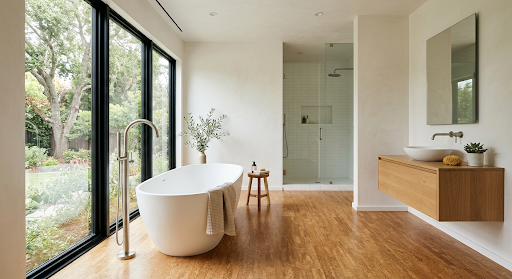
Many homeowners wonder, “What are the benefits of cork flooring in bathrooms?”
Properly sealed cork mold-resistant flooring can be beneficial for bathrooms. It offers warmth and comfort and does not develop molds as easily as other types of flooring.
Cork in the Kitchen
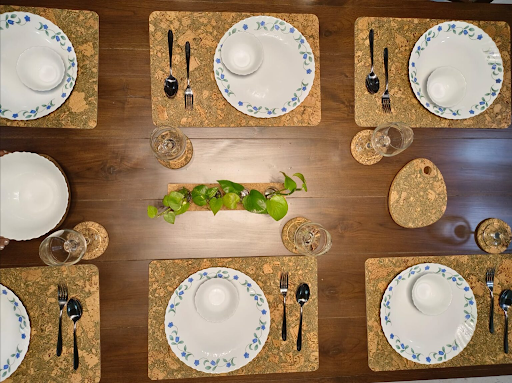
Cork can be utilized in aesthetic backsplash projects.
Yoga Mats

The natural cork yoga products are better at resisting both odors and moisture than other, synthetic counterparts.
Explore premium cork yoga mats: https://9cork.com/cork-yoga-accessories/
Wall Coverings
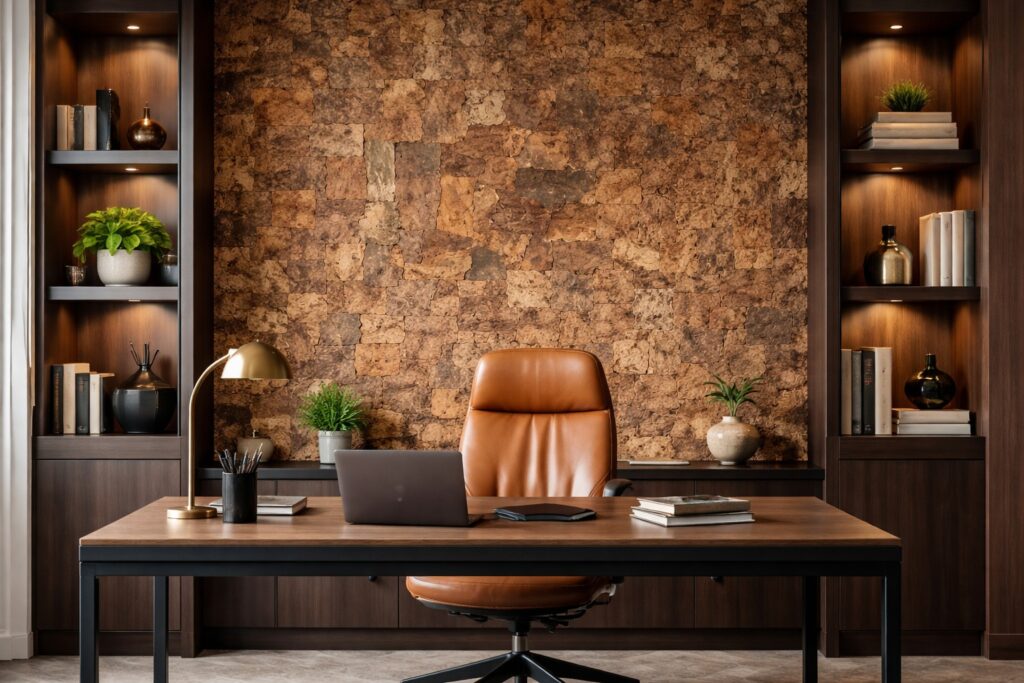
Cork mold-resistant wall coverings are suitable for humid environments when installed correctly.
Discover cork wall coverings for bathrooms: https://9cork.com/cork-wall-coverings/
Coasters and Table Accessories
Cork naturally handles occasional moisture exposure, making it ideal for coasters and tabletop protection.
Browse our cork coasters: https://9cork.com/cork-coasters/
Final Verdict — Is Cork the Right Choice for Humid Spaces?
If you’re searching for a sustainable material that combines moisture resistance, durability, comfort, and natural beauty, cork is an excellent option.
Its unique combination of suberin antimicrobial properties, low moisture absorption, and natural resistance to mold and mildew makes it particularly valuable in humid climates. While proper maintenance is still important, cork generally outperforms many other natural materials when it comes to mold prevention.
Whether you’re specifying flooring, wall coverings, yoga accessories, or decorative products, cork offers a practical and eco-conscious solution.
Ready to learn more? Explore our cork collections: https://9cork.com/products/
FAQs
Is cork mold resistant?
Yes. Cork is a naturally cork mold-resistant material due to its high suberin content, closed-cell structure, and naturally occurring tannins. These characteristics reduce moisture absorption and make conditions less favorable for mold and mildew growth compared to many traditional natural materials.
Does cork absorb moisture?
Cork absorbs very little moisture thanks to its closed-cell structure. While it is not completely waterproof, it resists humidity and water penetration far better than wood, making it suitable for many indoor environments.
Is cork board waterproof?
Most cork boards are water resistant rather than fully waterproof. Sealed cork products provide stronger protection against moisture, while unsealed cork may absorb water if exposed for prolonged periods.
Is cork heat resistant?
Yes. Cork has excellent thermal insulation properties and naturally resists heat transfer. This makes it useful for flooring, wall coverings, coasters, and other applications where temperature regulation and comfort are important.
How do you clean mold off cork?
If mold appears on cork, gently clean the affected area using a mild cleaning solution and a soft cloth. Allow the surface to dry completely and improve ventilation to prevent recurrence. Avoid harsh chemicals that may damage the cork or its protective finish.